

How to Judge Chemical Resistance: Why Plastics Fail in Oil, Cleaners, and Industrial Media
Judging chemical resistance is rarely as simple as checking whether a plastic survives a liquid in a chart. In real
Judging chemical resistance is rarely as simple as checking whether a plastic survives a liquid in a chart. In real
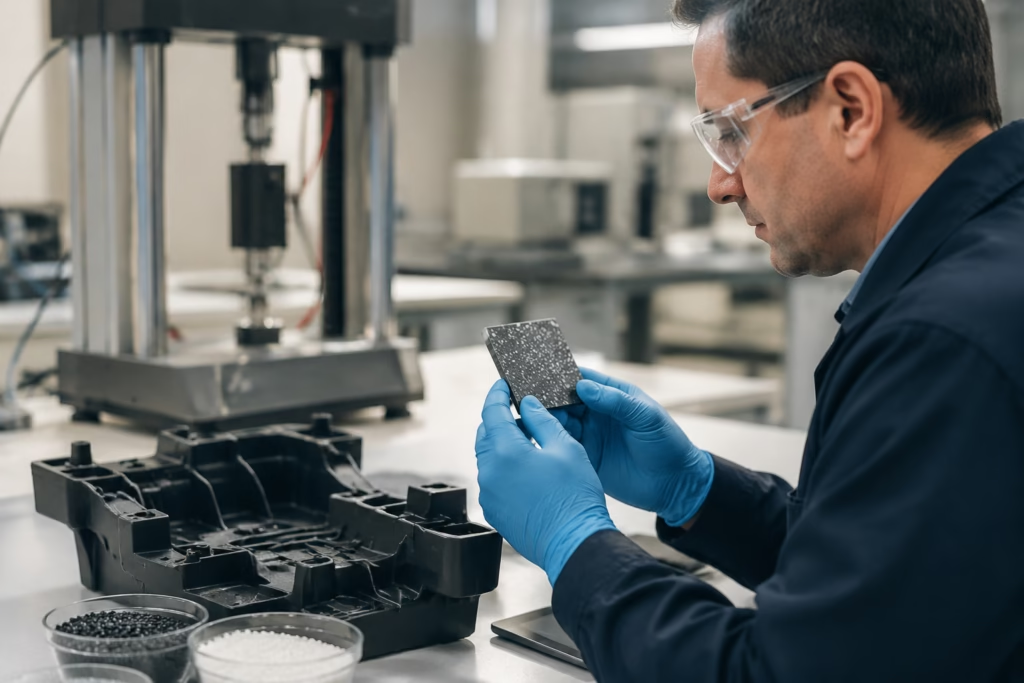
Choosing an impact resistant plastic compound is not the same as choosing the highest-strength resin on a datasheet. In drop-prone
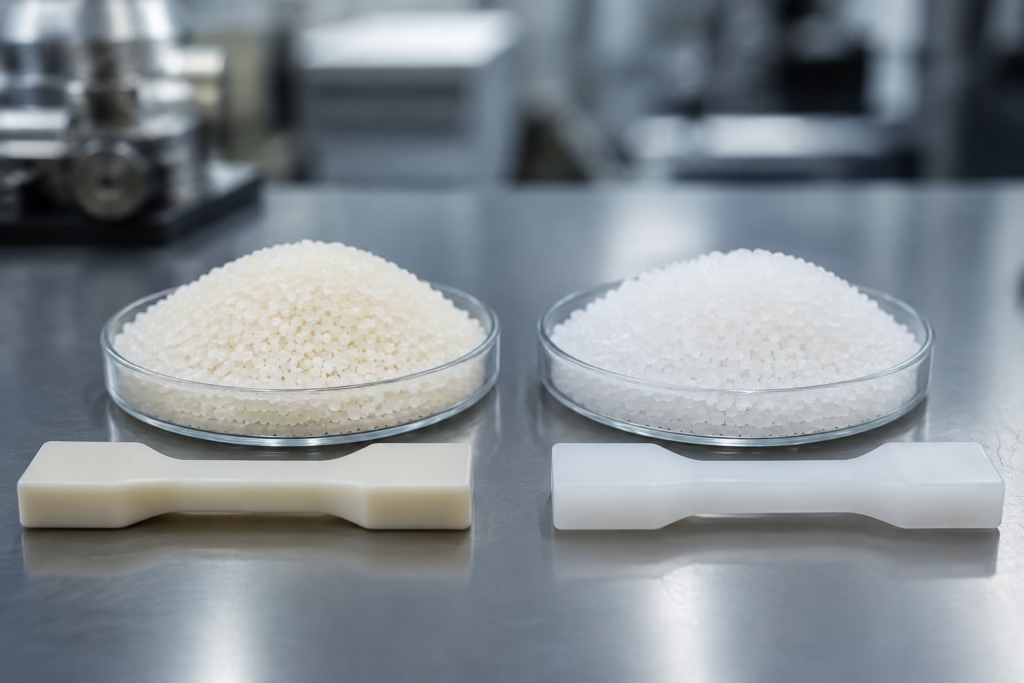
When comparing PA6 vs PA12, the real question is not which nylon is “better” overall, but which one fits the

Dimensional stability plastic is one of the most important selection criteria when a part must stay within tolerance after molding,
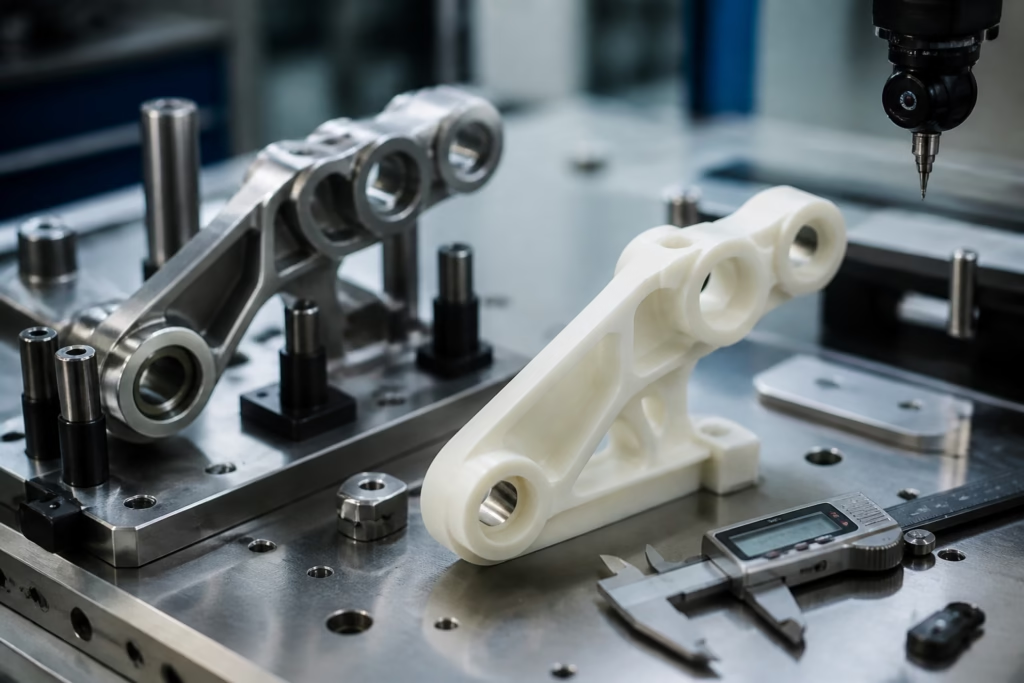
Metal replacement plastic can solve real problems in weight, corrosion resistance, and part consolidation, but long-term reliability depends on more
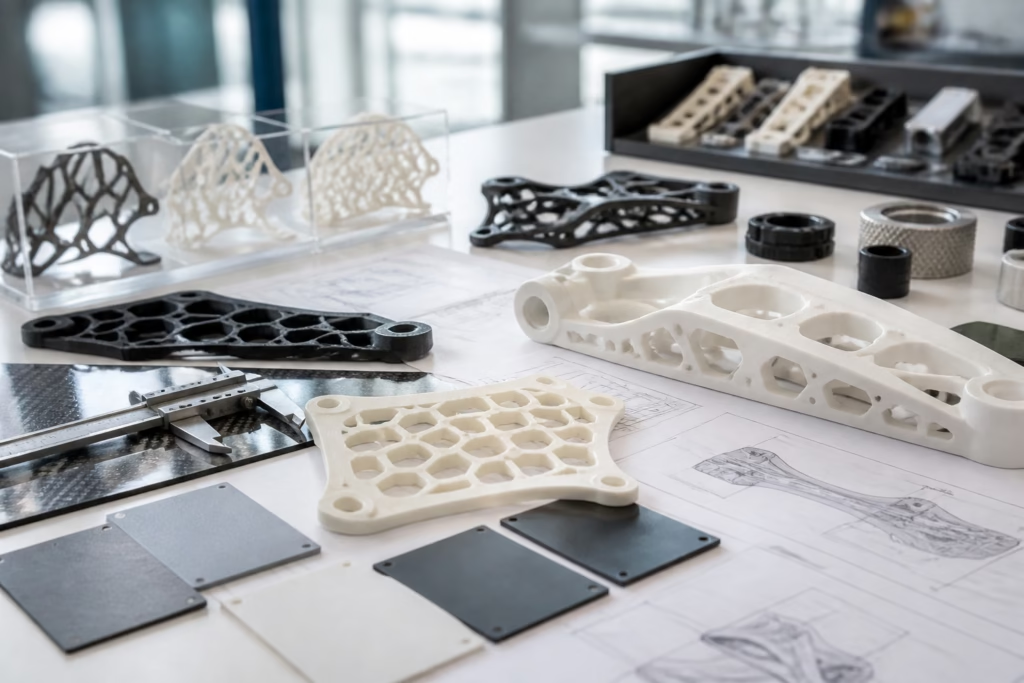
In engineering plastics, weight reduction is rarely just a matter of choosing the lowest-density resin. A lightweight plastic compound has

Choosing between conductive, antistatic, and ESD plastic compounds is less about terminology and more about the function the part must

Choosing a wear resistant plastic compound is rarely about finding one material that performs well in every moving part. Gears,

For precision parts, moisture behavior can matter as much as initial strength. A material that looks strong on a datasheet

Choosing a heat resistant plastic compound starts with a simple but important question: what kind of heat exposure will the