
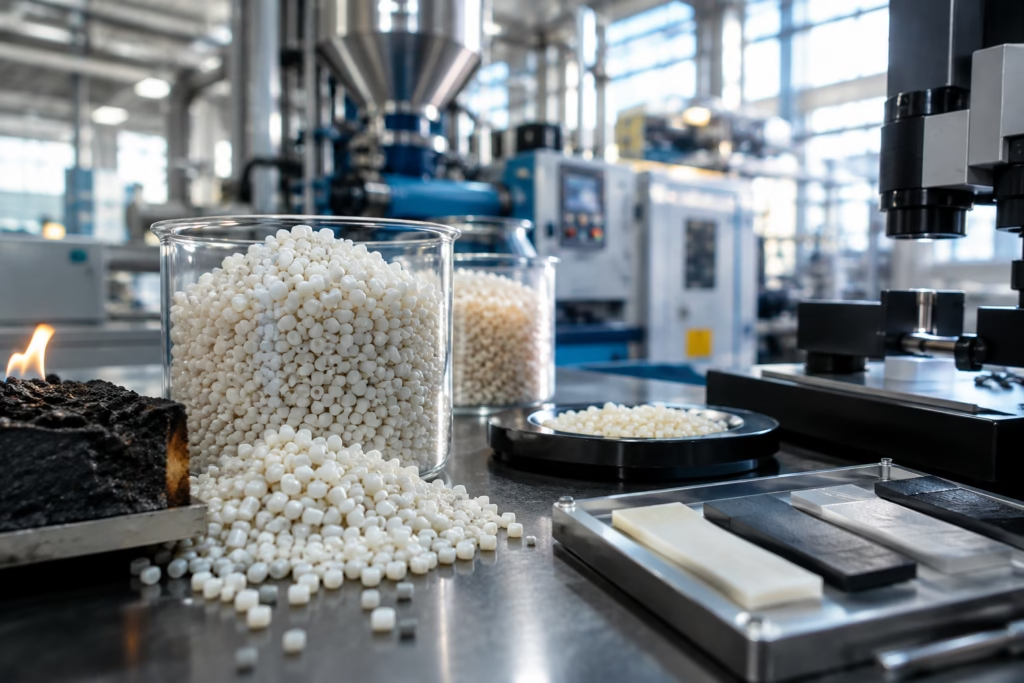
Why Flame Retardant Modified Plastics Bloom: Root Causes and Countermeasures for Frb Flame Retardant PBT Parts
When a flame-retardant PBT part develops a white film, dusty powder, sticky residue, or a dull patch on the surface,
When a flame-retardant PBT part develops a white film, dusty powder, sticky residue, or a dull patch on the surface,
When PA6 or PA66 modified parts crack, chip, or fail in a brittle way, drying is often the first thing

When a molded part looks dull instead of crisp and reflective, the problem is rarely just “bad gloss.” In glossy
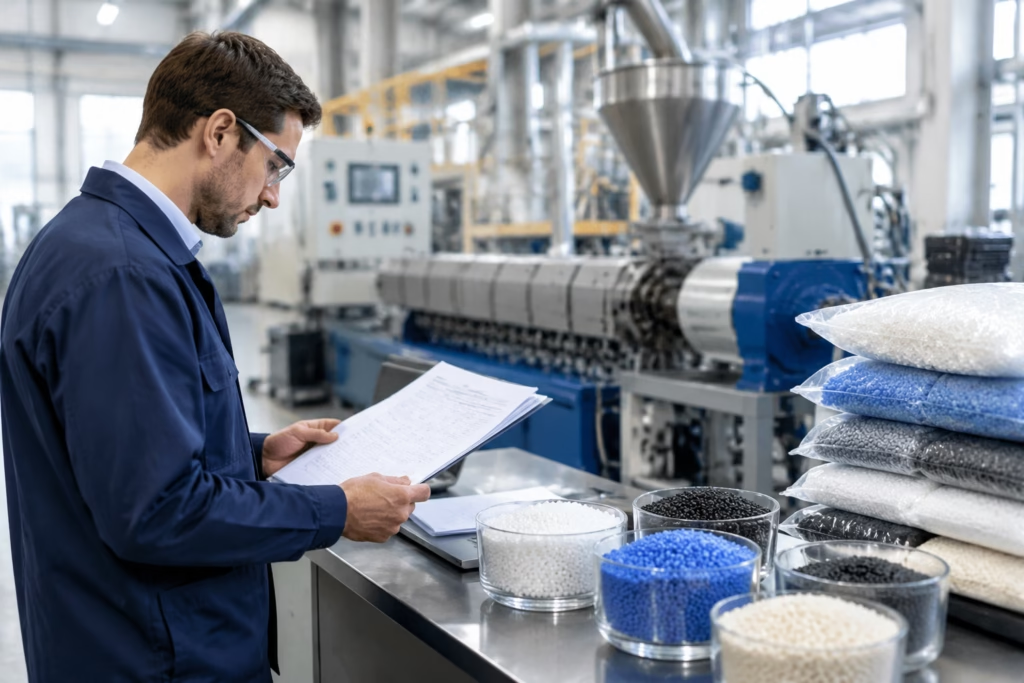
Reading a TDS SDS plastic compound package well is not about finding a single “good” number. It is about understanding
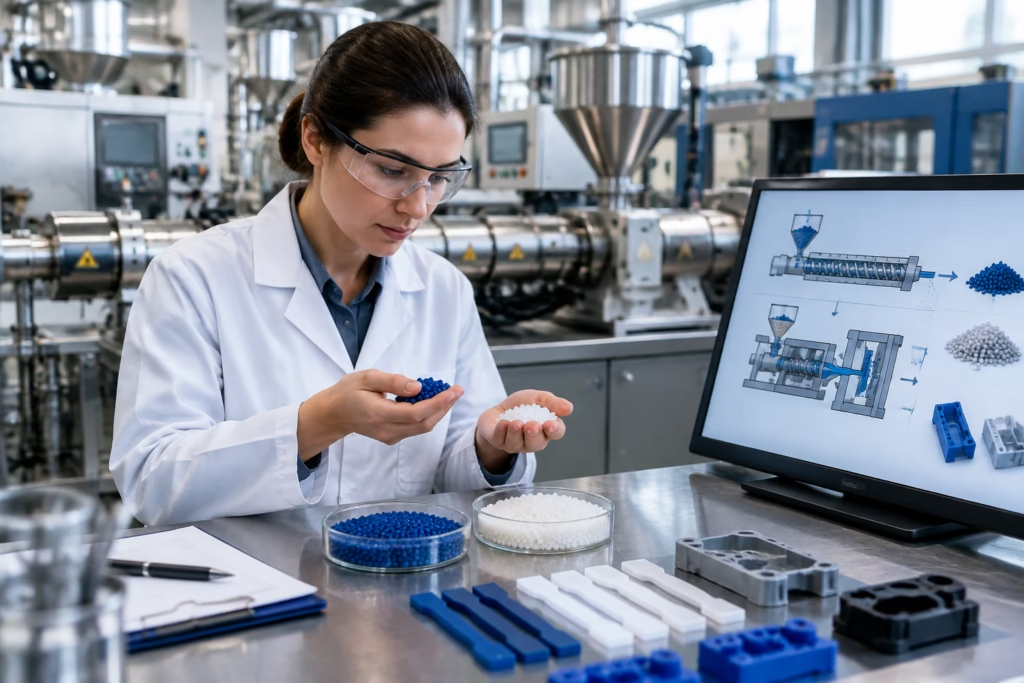
At first glance, extrusion and injection molding may seem to ask for the same thing: a plastic that flows well
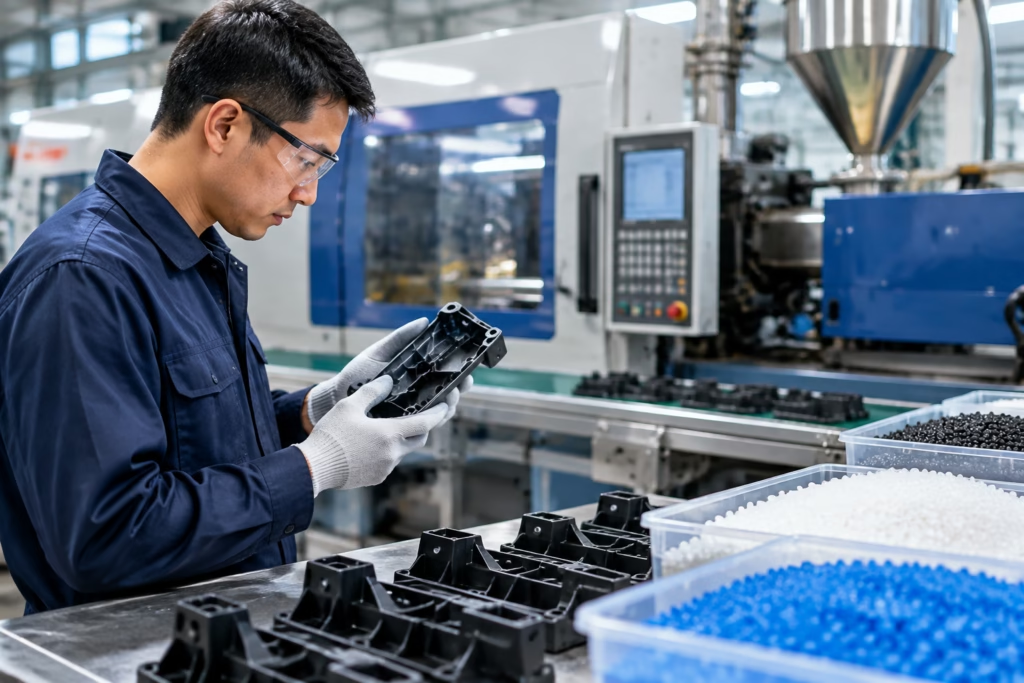
When molded parts show flowering, silver streaks, or flow marks, the first reaction is often to blame the mold or

When a molded plastic part cracks in the field, the fastest way to reduce scrap, warranty risk, and repeat failures

Glass fiber reinforcement is often chosen when a plastic part needs more stiffness, higher heat resistance, or better load-bearing performance.

A strong plastic material testing checklist is not just a lab document. In B2B projects, it is a decision tool
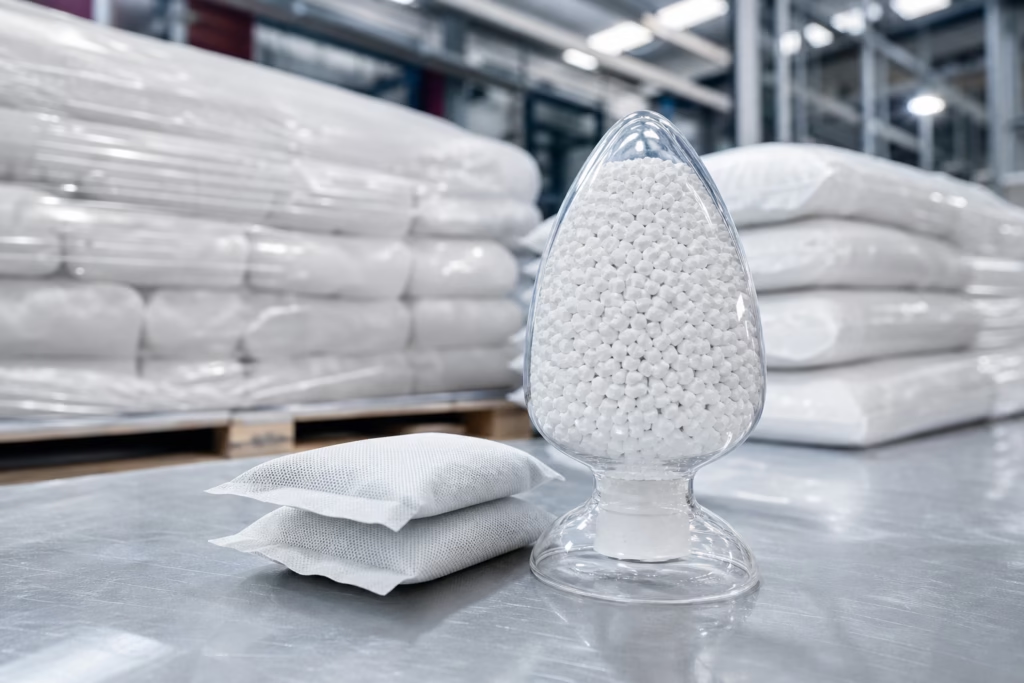
The nylon moisture issue usually does not start at the machine. It often starts in the warehouse, during transit, or